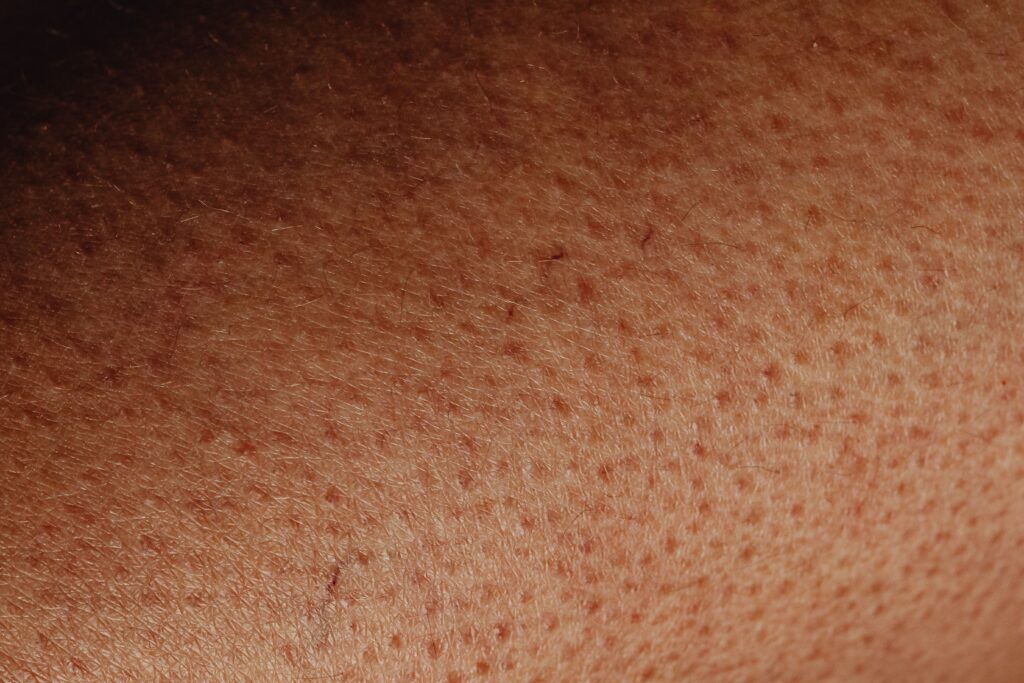
Various entities of acquired facial melanosis present with considerable clinical overlap, posing diagnostic challenges. Dermoscopy is being increasingly used in its diagnosis.
Various entities of acquired facial melanosis present with considerable clinical overlap, posing diagnostic challenges. Dermoscopy is being increasingly used in its diagnosis.
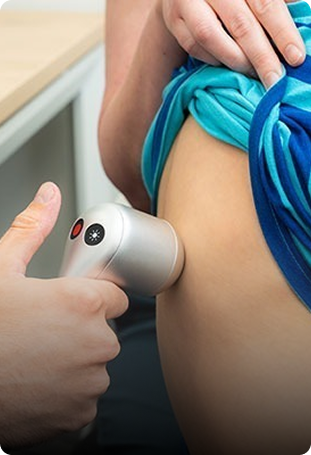
A clinical framework for evaluating skin lesions with dermoscopy patterns, pitfalls, and when to biopsy.
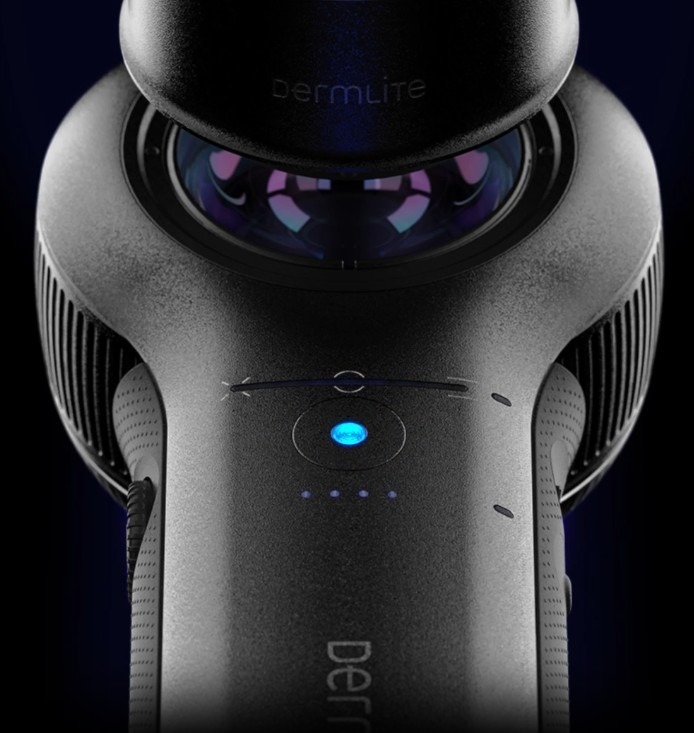
DermLite DL5 vs DL4 compared optics, polarisation, battery, and which one fits your clinic.
Discover how trichoscopy and TrichoScan provide objective hair and scalp analysis, helping clinicians diagnose hair loss and monitor treatment progress with measurable results.

A clinical guide to eccrine poroma dermoscopy vascular patterns, key features, and how to tell it apart from melanoma.
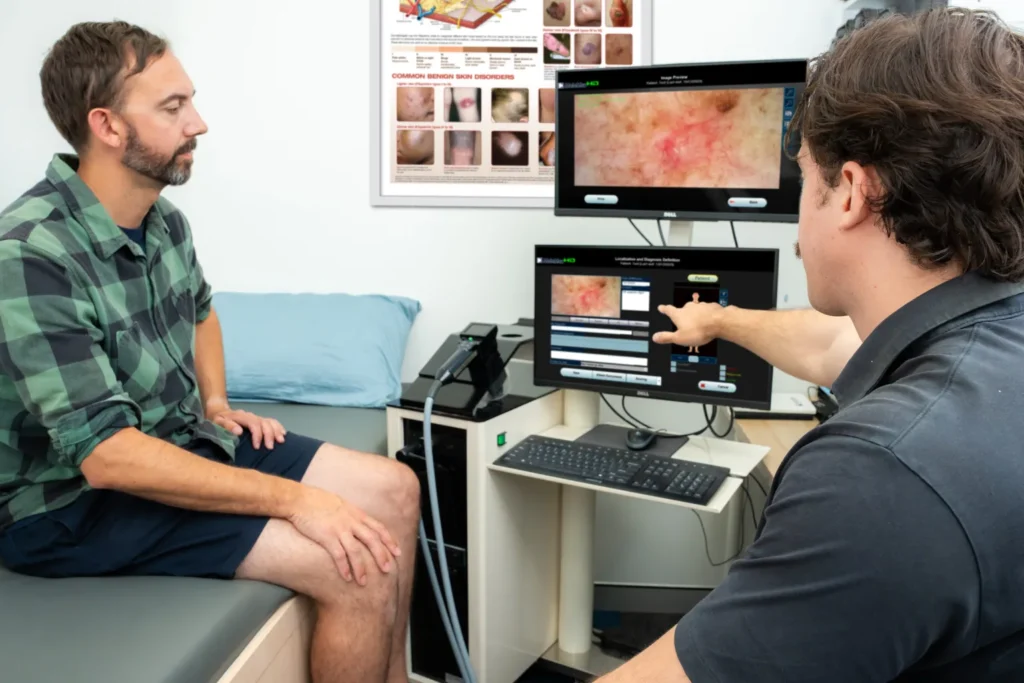
A clinic buyer’s guide to skin cancer detection devices categories, buying criteria, and where MoleMax fits.

The new independent group will evaluate artificial intelligence tools used in dermatology, aiming to generate real-world evidence on safety, effectiveness, and clinical performance before wider NHS adoption.
MSD and Moderna have announced a positive outcome for their phase 3 trial comparing an investigational and individualised mRNA vaccine with anti-PD-1 therapy in melanoma patients.
The process of excising and repairing skin cancers has the potential to be highly complex. This is especially the case on the head and neck or where a complex closure is required.
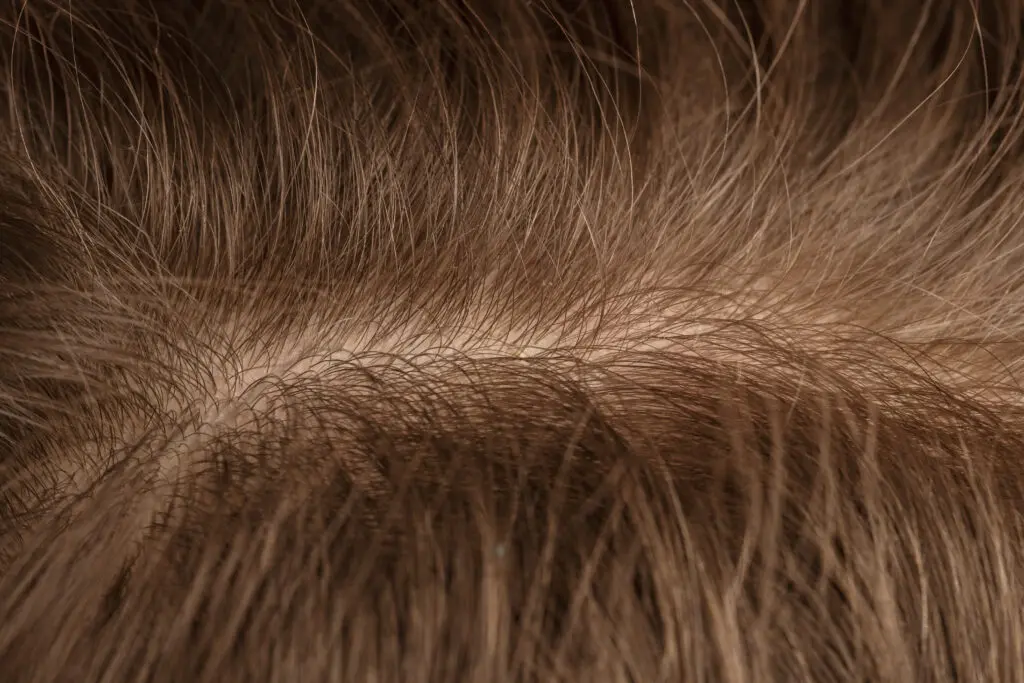
The dermatoscopic appearance of scalp tumors, especially melanocytic scalp lesions, differs from that on other body areas.

Skin cancer is one of the most common cancers globally, with melanoma alone responsible for the majority of skin cancer-related deaths worldwide. Early and accurate detection remains the most effective…

Hair loss affects millions of people worldwide and represents one of the most frequently presenting concerns in dermatology clinics. Despite its prevalence, accurate and objective assessment of hair loss has…
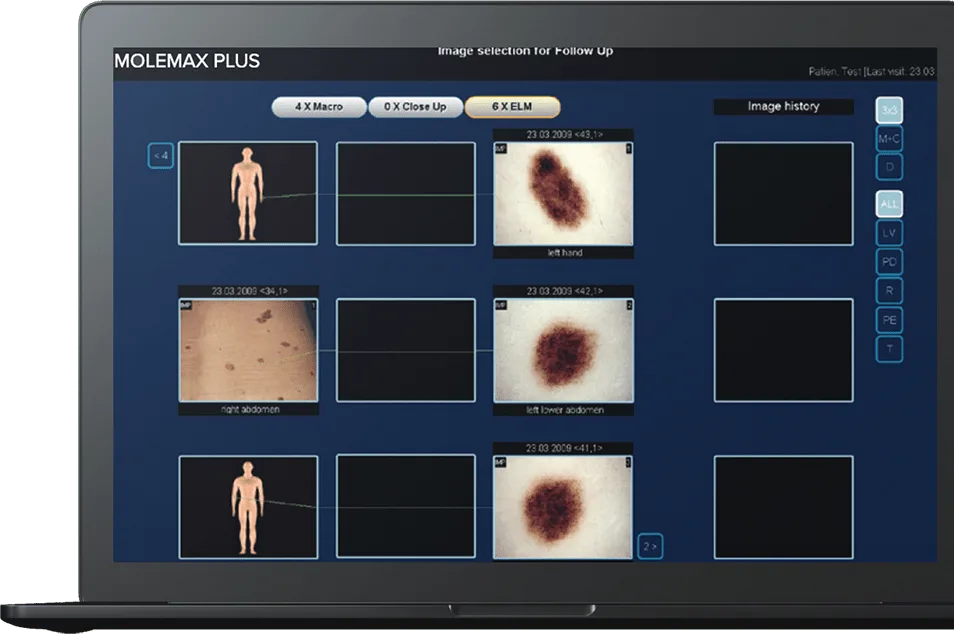
MoleMax Systems, a division of Macquarie Medical Systems, specialises in the development and production of dermatoscopic hardware and software, including dermatoscopes and the MoleMax Dermoscopy Software. These integrated solutions are designed for early clinical imaging sessions, analysis and comparisons of skin cancer, providing dermatologists with advanced tools for high-resolution imaging and analysis of skin lesions to improve patient outcomes.
Subscribe To The MoleMax Newsletter