
The new independent group will evaluate artificial intelligence tools used in dermatology, aiming to generate real-world evidence on safety, effectiveness, and clinical performance before wider NHS adoption.
The new independent group will evaluate artificial intelligence tools used in dermatology, aiming to generate real-world evidence on safety, effectiveness, and clinical performance before wider NHS adoption.
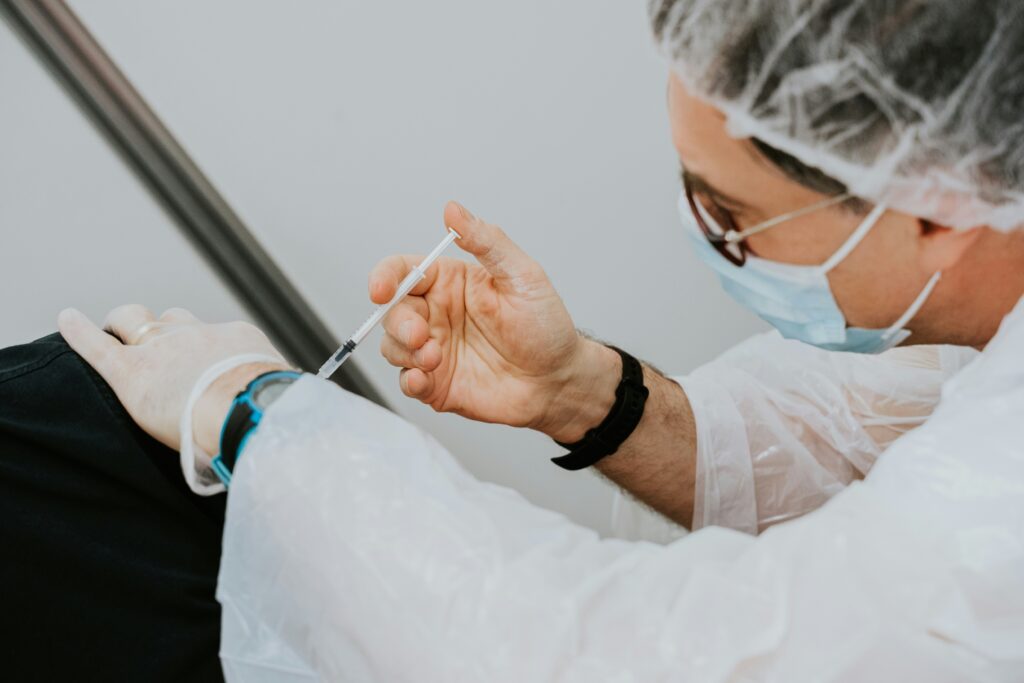
MSD and Moderna have announced a positive outcome for their phase 3 trial comparing an investigational and individualised mRNA vaccine with anti-PD-1 therapy in melanoma patients.
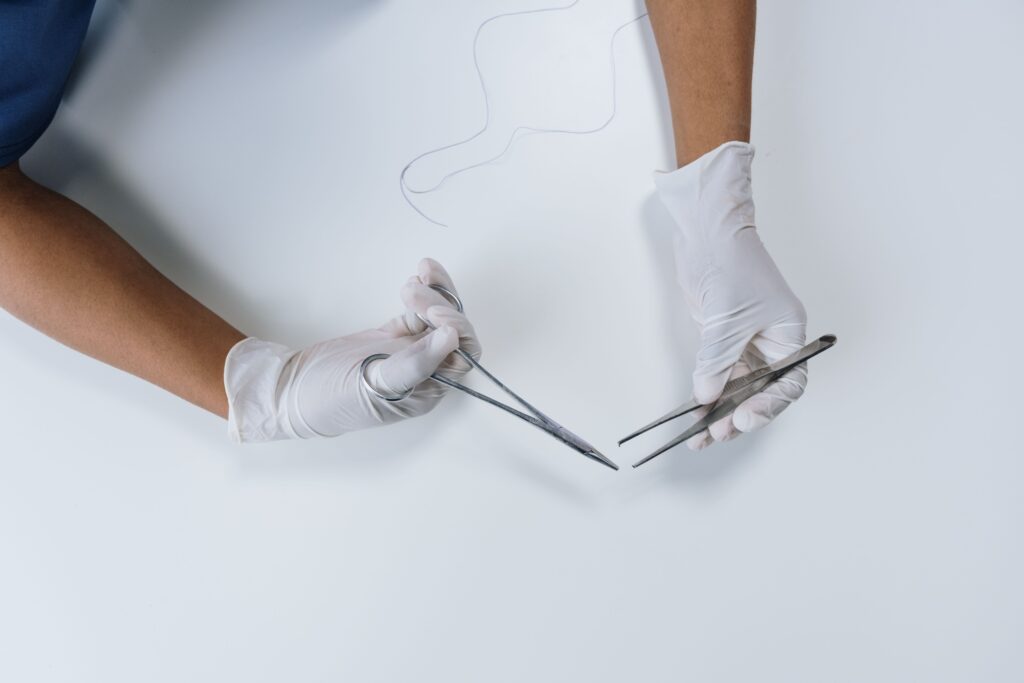
The process of excising and repairing skin cancers has the potential to be highly complex. This is especially the case on the head and neck or where a complex closure is required.
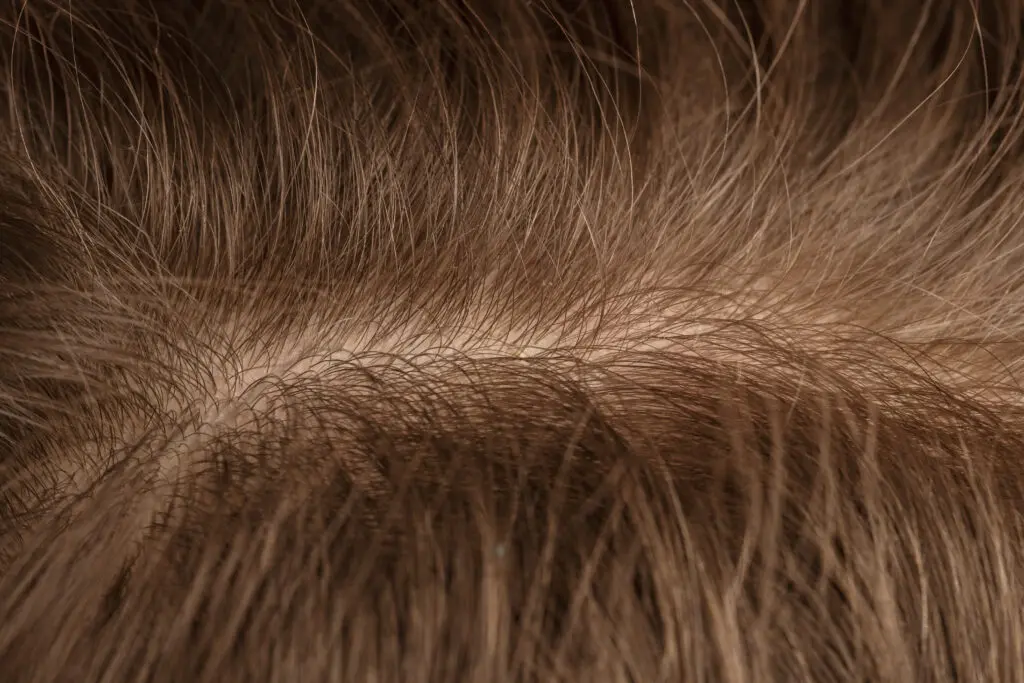
The dermatoscopic appearance of scalp tumors, especially melanocytic scalp lesions, differs from that on other body areas.

Skin cancer is one of the most common cancers globally, with melanoma alone responsible for the majority of skin cancer-related deaths worldwide. Early and accurate detection remains the most effective…

Hair loss affects millions of people worldwide and represents one of the most frequently presenting concerns in dermatology clinics. Despite its prevalence, accurate and objective assessment of hair loss has…

Explore the clinical and dermoscopic features of mixed-type basal cell carcinoma and how subtype patterns may support diagnosis and treatment decisions.

QSkin data reveals the rising cost of skin cancer in Australia, with keratinocyte cancer and melanoma expenditure increasing sharply over a decade.

See how an AI skin cancer detection system analyses lesions, supports clinical decisions and helps clinics improve triage, consistency and screening capacity.
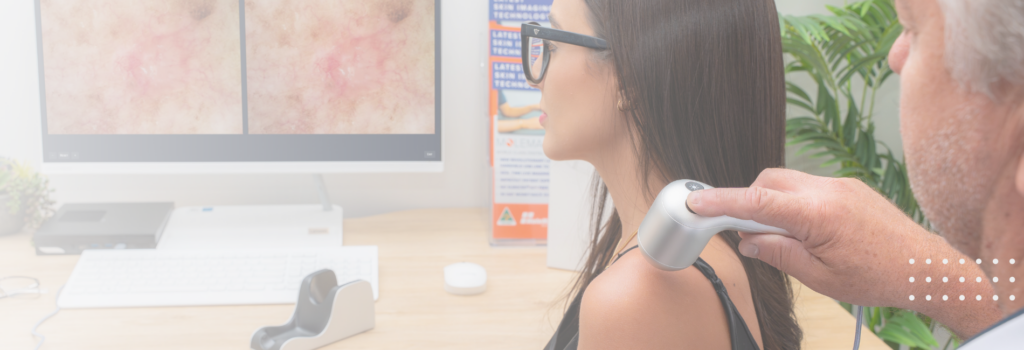
Discover how mole mapping technology combines total body photography, dermoscopy and change tracking to support earlier melanoma detection and monitoring.
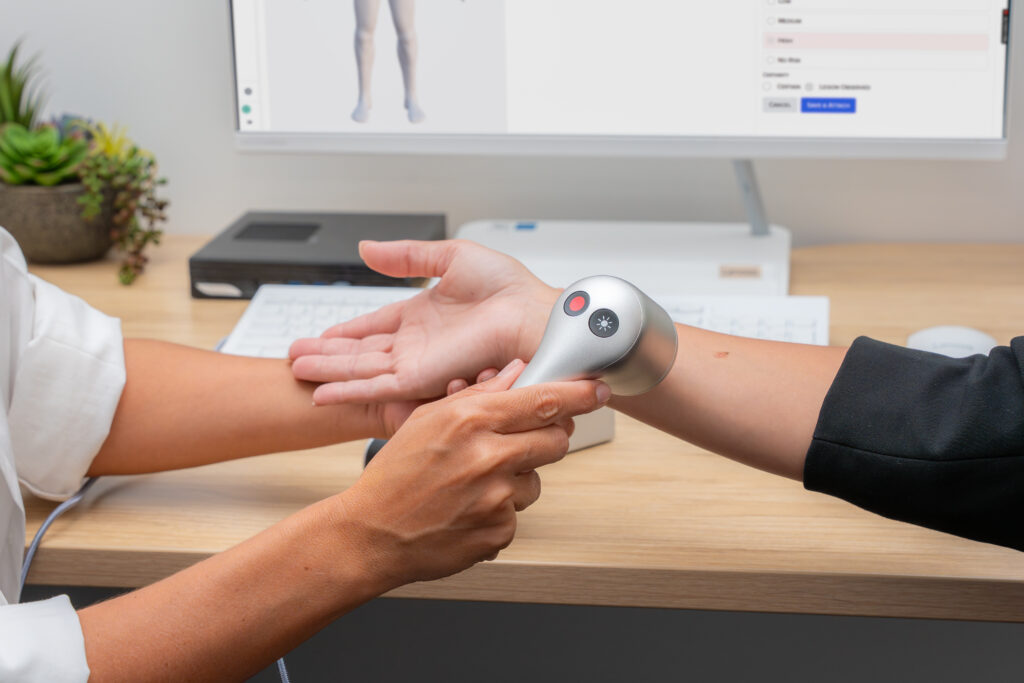
Compare AI melanoma detection systems for clinics, including how they work, accuracy, limitations, workflow integration and key options available in 2026.
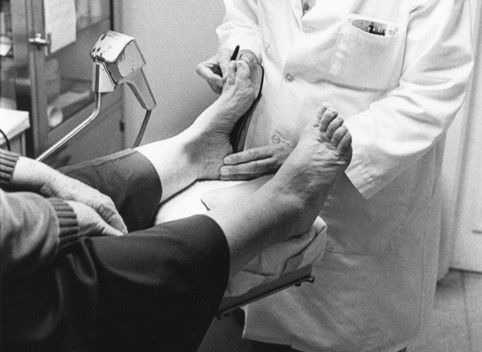
Review which dermoscopic features best distinguish acral lentiginous melanoma from benign acral nevi and support earlier, standardised diagnosis.
MoleMax Systems, a division of Macquarie Medical Systems, specialises in the development and production of dermatoscopic hardware and software, including dermatoscopes and the MoleMax Dermoscopy Software. These integrated solutions are designed for early clinical imaging sessions, analysis and comparisons of skin cancer, providing dermatologists with advanced tools for high-resolution imaging and analysis of skin lesions to improve patient outcomes.
Subscribe To The MoleMax Newsletter