Workplace safety is more than just a set of rules, it’s an important part of any successful business. A safe working environment protects employees from accidents, reduces health risks, and boosts overall productivity.
Organisations that prioritise safety not only safeguard their staff but also build trust, enhance morale and minimise costly disruptions.
In this blog, we will explore the importance of workplace safety, highlighting the essential safety equipment every workplace should have.
5 Effective Ways to Improve Workplace Health And Safety
Workplace safety is the foundation of a healthy, productive and thriving work environment. When you prioritise safety, it helps to protect employees from injuries, reduces operational disruptions, and creates a culture of trust and responsibility.
Here are 5 ways to improve workplace health and safety:
1. Protects Employees from Injuries and Accidents
A safe workplace helps prevent everything from minor slips and falls to severe machinery‑related accidents. In Australia, about 3.5 % of workers experienced a work-related injury or illness in the past 12 months. When employers invest in safety protocols, regular training and proper protective gear, there is a high chance of reducing these risks.
2. Boosts Productivity and Efficiency
Safety and productivity go hand in hand. Employees who feel safe at work are more focused, engaged and motivated. When you have safety equipment, there will be fewer chances of accidents, which means less downtime, smoother workflows and uninterrupted operations.
3. Reduces Financial Losses
Workplace accidents can be costly in many ways. Beyond the physical harm to employees, incidents result in medical bills, workers’ compensation claims, legal fees, and higher insurance premiums. Every organisation should invest in high-quality safety tools, such as head protection and clear safety signage, along with proper training and preventive measures.
4. Ensures Compliance with Legal Standards
Governments and regulatory bodies in Australia require businesses to meet strict work health and safety (WHS) obligations under the model WHS laws. Failure to comply can lead to hefty fines, legal complications, and damage to a company’s reputation. When you follow safety regulations, businesses not only safeguard their employees but also demonstrate professionalism and a strong commitment to ethical practices.
5. Builds a Positive Work Culture
When staff feel valued and secure, they are more engaged, motivated, and committed to their work. It’s important to prioritise safety, encourage teamwork, accountability, and shared responsibility, and create a collaborative environment. Over time, this positive work culture not only boosts employee morale but also strengthens overall business performance.
Essential Workplace Safety Equipment You Must Have
A safe work environment starts with having the right safety equipment. Proper safety gear not only protects employees from accidents and injuries but also ensures compliance with legal standards and boosts overall productivity. Whether in an office, factory, or construction site, equipping your workplace with essential safety tools is a critical step toward reducing risks and fostering a culture of care.
Here are the must-have workplace safety equipment items:
1. Personal Protective Equipment (PPE):
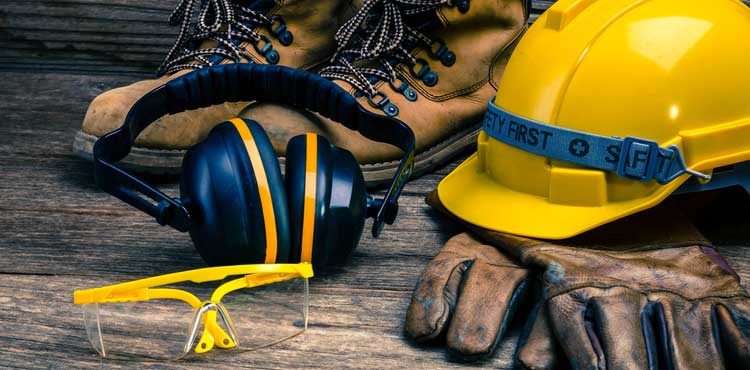
Personal Protective Equipment (PPE) includes helmets, gloves, safety goggles, high-visibility clothing and protective footwear. These items shield employees from hazards such as falling objects, chemical exposure and slips, helping prevent injuries on the job.
2. Fire Safety Equipment:
Fire extinguishers, smoke alarms, fire blankets and emergency exit signage are crucial for preventing and managing fire emergencies. Regularly maintaining fire safety equipment ensures quick response and reduces potential damage.
3. First Aid Kits:
Every workplace should have easily accessible first aid kits stocked with bandages, antiseptics and other essential medical supplies. Quick access to first aid can prevent minor injuries from becoming severe.
4. Safety Signage and Warnings:
Clear signs indicating hazards, emergency exits and safety procedures are essential. Visual reminders help employees stay aware of risks and follow safety protocols consistently.
5. Ergonomic Equipment:
Chairs, workstations and tools designed ergonomically reduce the risk of musculoskeletal injuries. Investing in ergonomic equipment promotes employee comfort and long-term health.
6. Emergency and Evacuation Tools:
Items such as emergency lighting, evacuation maps and alarm systems ensure that employees can safely exit the workplace during emergencies. Proper training on these tools is equally important.
7. Protective Barriers and Guards:
In high-risk areas, installing safety barriers, machine guards and handrails helps prevent accidents and protects employees from moving machinery or hazardous zones.
Final Takeaways on Workplace Safety
Workplace safety tools are essential for keeping everyone protected. By implementing proper safety measures in offices, ongoing construction sites and other work environments, the risk of accidents is reduced. Fewer accidents mean lower compensation claims and uninterrupted productivity.
If you’re looking for essential workplace safety tools, the MoleMax system is a trusted choice. As a leading medical equipment supplier in Australia, we offer a wide range of products to help you maintain a safe and compliant workplace. Our workplace safety tools are designed to protect employees and visitors alike, enabling businesses to create environments where safety is always the top priority.